
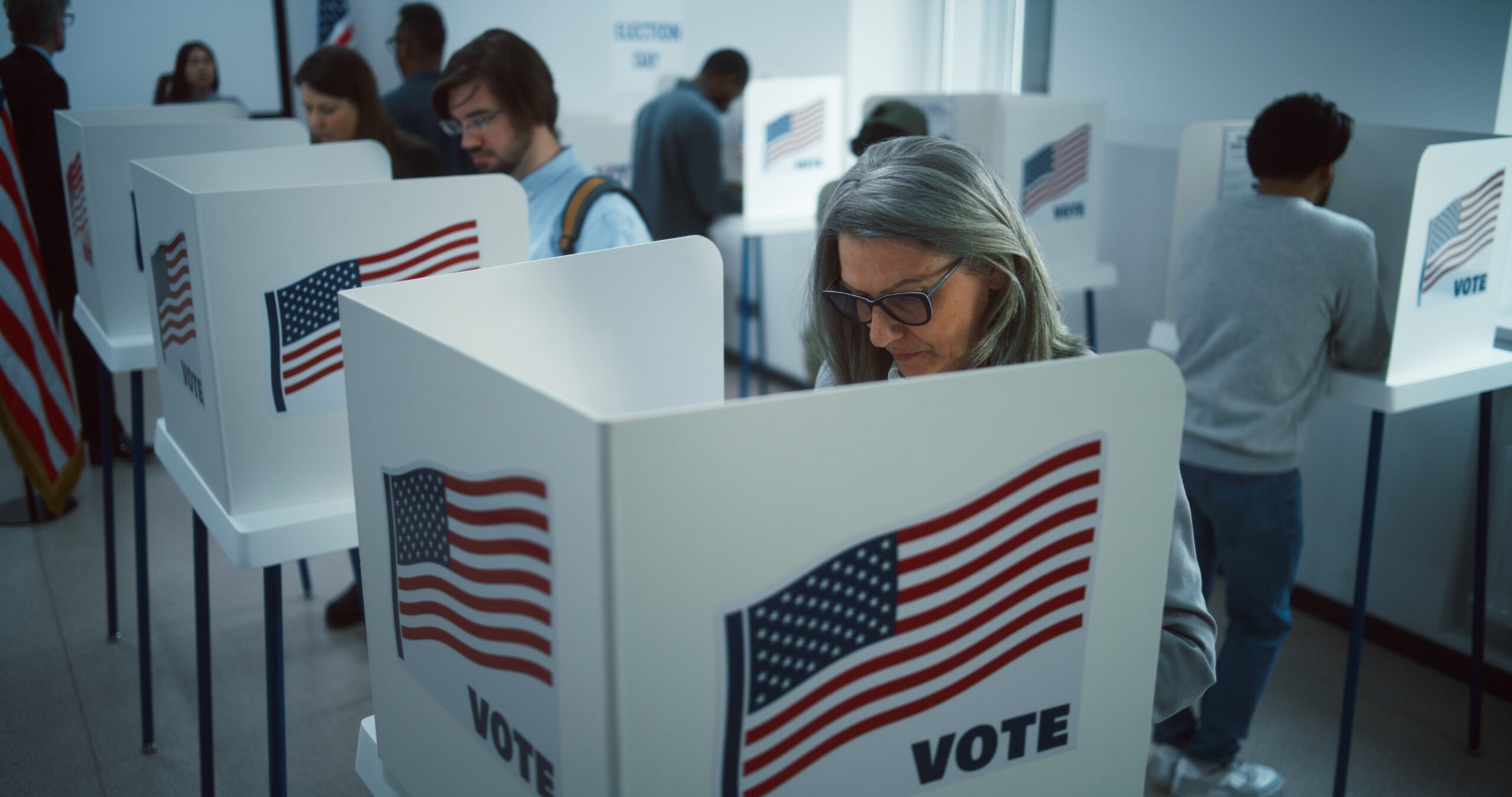
Do Moderate Women Feel Like Their Vote Matters?
As we approach the midterms, these are just some of the frightening and confusing headlines that may be spreading misinformation and distrust about elections to our audience of ideologically moderate women.
“Non-citizen voting is skewing elections,
mail in voting is increasing fraud,
and past elections have been rigged. “
We know that none of these are true, we know that non-citizen voting is extremely rare, that voting by mail is a safe and secure option, and claims of rigged elections have been thoroughly debunked, but these messages are still creating an environment of chaos and confusion around elections, which is exactly what our audience doesn’t need going into the midterms.
Much of our audience already struggles with civic (and political) self-efficacy (the belief that your voice matters and that you can understand and have a meaningful impact on civic and political issues) and trust in government (the belief that government institutions are fair, competent, and act in the public’s best interest), and these pervasive, inaccurate messages may further disincentivize them from voting or taking other civic or political actions.
And of course, we are seeing legitimate attacks on people’s right to vote. Attacks on mail-in voting, SCOTUS decisions like Louisiana v. Callais, and bills like the SAVE Act all threaten voter’s ability to cast a ballot and have that ballot translate to representation.
So, in the face of all this chaos and confusion, how does Galvanize Action’s audience feel moving into the 2026 midterm elections?
First, let’s take a look at survey data. In both March and September, we asked a (different) sample of our audience how confident they are that votes nationwide will be counted as voters intend.

Both times we asked, only 55% of respondents said they are confident that their vote will be counted correctly. That’s 35% of respondents who are not confident that the election will be fair (and 10% who are unsure). In a working democracy, every single person should feel confident that when they cast their ballot their vote will be counted accurately and have an impact on the outcome of the election.

Our audience’s confidence falls even lower when it comes to mail-in ballots specifically. Only 42% of respondents have a fair amount or a great deal of trust in voting by mail, with 23% having no trust at all, more than double the number who said they were not at all confident that votes will be counted correctly overall (10%). Our audience appears to lack trust in mail-in ballots specifically, which may result from doubts being spread about this particular method of voting.
Moderate Women’s Doubts, in Their Own Words
We saw these sentiments repeated in The Listening Sessions, in which Executive Director Jackie Payne asked ideologically moderate women if they plan to vote and if they trust that their ballot will be counted correctly.
Most of these women plan to vote, but have serious concerns about whether the elections will be fair or if elected officials will actually look out for them. As a reminder, every time we’ve asked how our audience plans to vote more than 80% of respondents say they plan to vote, even if they aren’t yet sure for who. We also know that 28% don’t feel like either party is looking out for them.


In that same conversation with Jackie Payne, women in our audience also talked about proposed restrictions on voting. These participants discussed very serious concerns about the integrity of our elections and the possibilities of interference, both on a voter level, and a government level, just as we are seeing in the news.
What Can We Do?
As we heard in The Listening Sessions, our audience has legitimate concerns about election integrity that are not easily solved, but as we get closer to the midterms, we need to make sure that they feel like they can and should vote.
One way we can do this is by showing that, regardless of what’s happening at the national level or what they’re hearing in the news, their elections are safe and fair. Messaging like what’s used in this ad that highlights someone who is making sure the elections run as they should, dispels fears about interference and makes voting feel easy and accessible by taking it out of the context of national fears and back to the safety of community and neighbors.
Our goal is not to convince our audience that there are no barriers to voting or that their concerns about election integrity aren’t valid. Instead, we are helping them take those concerns, understand that there are systemic issues, and see how change is possible. We need them to understand that there is value in small actions like voting, especially when we all do it together and that if we all work together, we can fix the issues with our system and create a country where every single person’s vote is counted and our elected officials follow through on their promises to our communities.


